Robotic Prostate Surgeries: A New Era in Prostate Cancer Treatment in the UK
Prostate cancer is one of the most common cancers affecting men, and its treatment has evolved significantly over the years. Among the most promising advancements is robotic prostate surgery, which offers precision, reduced recovery times, and improved outcomes. If you are considering treatment options, understanding robotic prostate surgeries can help you make an informed decision about your care.
Understanding Robotic Prostate Surgeries
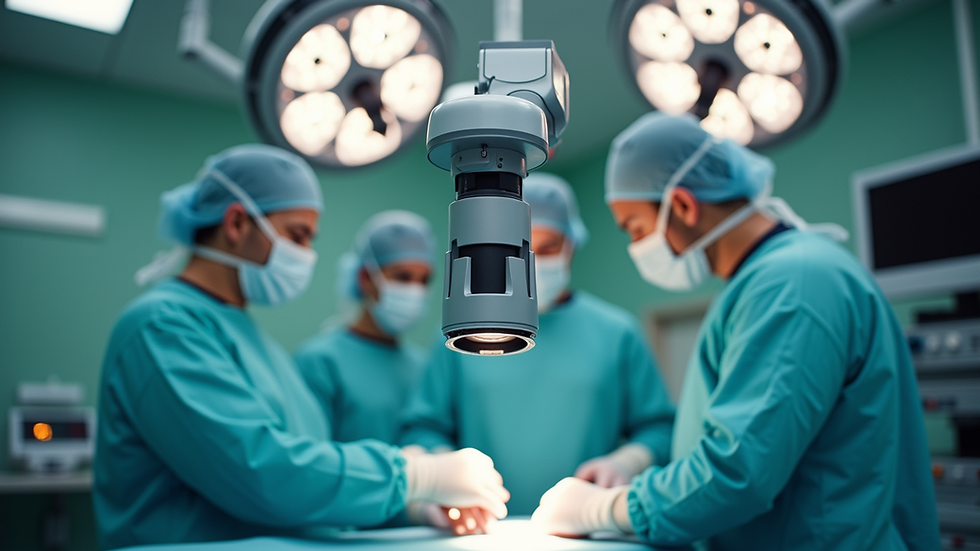
Robotic prostate surgeries use advanced robotic systems to assist surgeons in removing the prostate gland affected by cancer. This technique is minimally invasive, involving small incisions rather than a large open surgery. The robotic system provides the surgeon with enhanced dexterity, precision, and a high-definition 3D view of the surgical area.
The benefits of robotic prostate surgeries include:
Reduced blood loss during surgery
Smaller incisions, leading to less scarring
Shorter hospital stays and quicker recovery
Lower risk of complications such as infections
Improved preservation of nerves responsible for urinary and sexual function
In the UK, many private hospitals in Manchester and Cheshire now offer robotic prostate surgeries, providing patients with access to cutting-edge technology and expert care.
How Robotic Prostate Surgery Works
During robotic prostate surgery, the surgeon controls robotic arms equipped with surgical instruments from a console. The system translates the surgeon’s hand movements into precise actions inside the patient’s body. This allows for meticulous dissection of the prostate gland while sparing surrounding tissues.
The procedure typically involves the following steps:
Preparation and anaesthesia: You will be given general anaesthesia to ensure comfort.
Small incisions: Several small cuts are made in the abdomen to insert the robotic instruments and camera.
Prostate removal: The surgeon carefully removes the prostate gland and any affected lymph nodes.
Reconstruction: The bladder is reconnected to the urethra to restore urinary function.
Closure: The instruments are removed, and the incisions are closed with sutures or surgical glue.
Recovery after robotic prostate surgery is generally faster than traditional open surgery. Most patients can return home within a few days and resume normal activities within a few weeks.
What are the disadvantages of prostate cancer surgery?
While robotic prostate surgery offers many advantages, it is important to consider potential disadvantages and risks:
Cost: Robotic surgery can be more expensive than traditional methods, which may affect private patients.
Availability: Not all hospitals have access to robotic systems, limiting options in some areas.
Learning curve: The success of the surgery depends on the surgeon’s experience with robotic techniques.
Possible side effects: Like all prostate surgeries, there is a risk of urinary incontinence and erectile dysfunction, although robotic surgery aims to reduce these.
Surgical risks: Bleeding, infection, and anaesthesia complications remain possible.
Discussing these factors with your urologist will help you weigh the benefits and risks based on your individual health and cancer stage.

Choosing Robotic Surgery for Prostate Cancer in the UK
If you are exploring treatment options, robotic surgery for prostate cancer uk offers a modern approach with promising outcomes. When selecting a provider, consider the following:
Surgeon expertise: Look for surgeons with extensive experience in robotic prostate surgeries.
Hospital facilities: Ensure the hospital is equipped with the latest robotic technology and offers comprehensive post-operative care.
Patient support: Access to counselling, rehabilitation, and follow-up services is crucial for recovery.
Treatment speed: Private services often provide faster diagnosis and surgery scheduling, which can reduce anxiety and improve outcomes.
At Paul Cleaveland Urology, we prioritise rapid diagnosis and expert treatment for prostate health. Our team is dedicated to delivering personalised care using the latest robotic techniques to ensure the best possible results.
What to Expect After Robotic Prostate Surgery
Recovery after robotic prostate surgery is generally smoother than traditional surgery, but it still requires attention and care. Here’s what you can expect:
Hospital stay: Usually 1-3 days, depending on your condition.
Catheter use: A urinary catheter will be in place for about one to two weeks to help with urination.
Pain management: Mild to moderate pain is common and can be controlled with medication.
Activity: Light activities can be resumed within a few days, but strenuous exercise should be avoided for several weeks.
Follow-up: Regular check-ups will monitor your recovery and cancer status.
It’s important to follow your surgeon’s advice closely and report any unusual symptoms such as fever, severe pain, or difficulty urinating.
Looking Ahead: The Future of Prostate Cancer Treatment
Robotic prostate surgeries represent a significant step forward in prostate cancer care. As technology advances, we can expect even greater precision, less invasiveness, and improved patient outcomes. Research continues into combining robotic surgery with other treatments like targeted therapies and immunotherapy.
For private patients in Manchester and Cheshire, access to these innovations means you can receive world-class care close to home. Choosing a specialist centre that offers rapid diagnosis and expert treatment ensures you are supported every step of the way.
If you want to learn more about your options or schedule a consultation, don’t hesitate to reach out. Your prostate health is important, and with the right care, you can face prostate cancer with confidence.


Comments