Aquablation Therapy for Benign Prostatic Hyperplasia: A minimally invasive Treatment Option with less side effects
A swollen prostate can turn ordinary routines into planning exercises. Long drives, films, sleep, and even a quiet evening can revolve around the nearest toilet. For people with urinary symptoms caused by an enlarged prostate, treatment has often meant choosing between tablets, procedures, and concerns about side effects.
Aquablation therapy is one of the newer surgical options for enlarged prostate tissue. It uses a heat-free water jet, guided by imaging and robotic planning, to remove tissue that blocks urine flow. This article explains how it works, who it may suit, and what to ask before making a decision.

Why an enlarged prostate causes urinary symptoms
The prostate sits below the bladder and surrounds the urethra, the tube that carries urine out of the body. As the prostate grows, it can press on this tube and make it harder for urine to pass.
Benign prostatic hyperplasia (BPH) is non-cancerous prostate enlargement. It becomes more common with age and can cause symptoms such as:
A weak or slow urine stream
Needing to pass urine often, especially at night
Difficulty starting urination
A feeling that the bladder has not emptied
Sudden urges to urinate
Dribbling after finishing
Symptoms do not always match prostate size. A moderately enlarged prostate can cause severe bother, while a larger prostate may cause fewer symptoms. That is why assessment often includes symptom history, urine tests, flow measurements, prostate size checks, and sometimes imaging or bladder tests.
How aquablation works
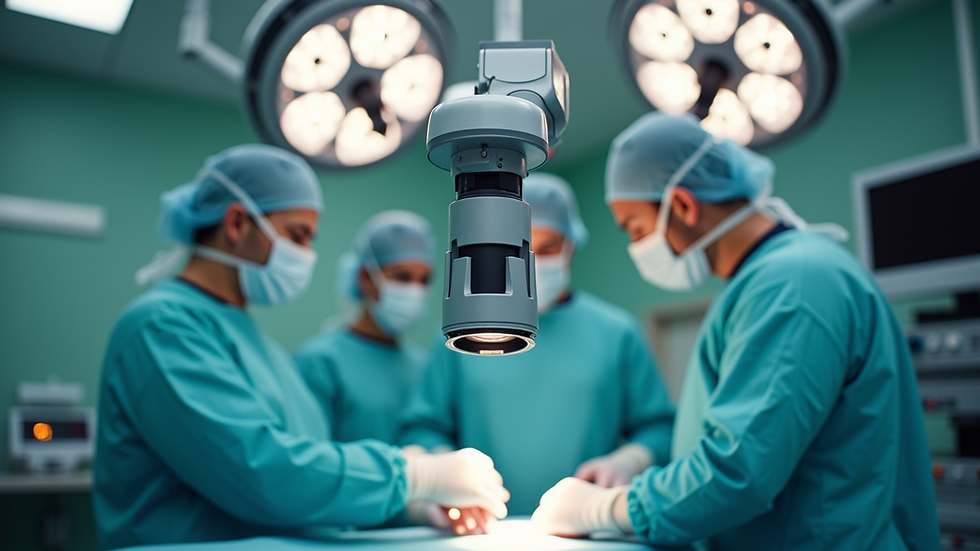
Aquablation removes excess prostate tissue using a high-pressure jet of sterile water. The surgeon maps the treatment area using real-time ultrasound and planning software. The robotic system then follows that plan with a precise water jet, while the surgeon supervises and controls the procedure.
Unlike some prostate operations, aquablation does not use heat to cut or burn tissue. This matters because heat can affect nearby structures involved in continence and sexual function. Research suggests aquablation can improve urinary flow and symptoms while aiming to reduce certain side effects linked with some traditional procedures. Research shows significant symptoms control with lasting effects and less side effects.
>99% of men preserved continence
100% of men preserved erections
89% of men preserved ejaculation
The procedure usually takes place in hospital under anaesthetic. After treatment, a catheter is commonly left in place for a short time to drain urine while swelling and bleeding settle.

Who may be a suitable candidate
No single treatment fits everyone. A urologist will usually look at prostate size, symptom severity, general health, medicines, bladder function, and personal priorities before recommending a procedure.
Aquablation may be discussed when urinary symptoms remain troublesome despite medicines, or when medicines cause side effects. It may also be considered for certain larger prostates, where some minimally invasive options may not be suitable.
What happens before, during, and after treatment
Before treatment, the care team will confirm the diagnosis and check for issues that could change the plan. This can include urine tests, blood tests, a prostate-specific antigen test where appropriate, ultrasound, cystoscopy, or flow studies.
During the procedure, the surgeon places an instrument through the urethra, so there is no external incision. Imaging helps define which tissue should be removed and which areas should be protected. The water jet then removes the planned tissue.
Afterwards, recovery usually involves monitoring urine colour, catheter drainage, comfort, and the ability to pass urine. Some blood in the urine can happen after prostate procedures. Temporary burning, urgency, or frequency may also occur as the area heals.
Most people need to avoid heavy lifting, intense exercise, and sexual activity for a period after surgery. The care team will give specific instructions based on the procedure and recovery.

Benefits and limits to weigh up
Aquablation combines imaging, planned tissue removal, and a heat-free method. For many patients, the main goal is simple: pass urine more easily and sleep better.
Potential advantages include:
Strong symptom relief
Many patients experience better urinary flow and less bladder obstruction.
Treatment planning with live imaging
The surgeon can map tissue removal before treatment starts.
No heat-based cutting
This may help reduce damage to nearby tissues, though no procedure removes risk entirely.
Use across a range of prostate sizes
Suitability still needs specialist assessment.
Questions to ask the urologist
A good consultation should leave room for practical questions, not just medical ones. Helpful questions include:
Is my prostate size suitable for this procedure?
What tests do I need before deciding?
How does this compare with TURP, HoLEP, or laser surgery in my case?
What side effects are most relevant for me?
How long might I need a catheter?
When can I drive, exercise, and return to work?
What are the chances I may need another treatment later?
Bring a symptom diary if possible. Notes on night-time urination, urgency, stream strength, and fluid intake can make the discussion more useful.

The takeaway
Aquablation is a modern option for treating urinary symptoms caused by an enlarged prostate. It uses a planned, image-guided water jet to remove obstructing tissue without heat. For the right person, it may offer meaningful symptom relief with a side-effect profile worth discussing.
The best next step is a careful assessment with a urologist. Prostate size, symptom severity, bladder function, health history, and personal goals all matter. With the right information, the choice becomes less about chasing the newest treatment and more about finding the safest, most suitable path to better daily comfort.


Comments